

AMAN International Scientific Conference 2026.
AMAN International Scientific Conference 2026.
Post-Abortion Care
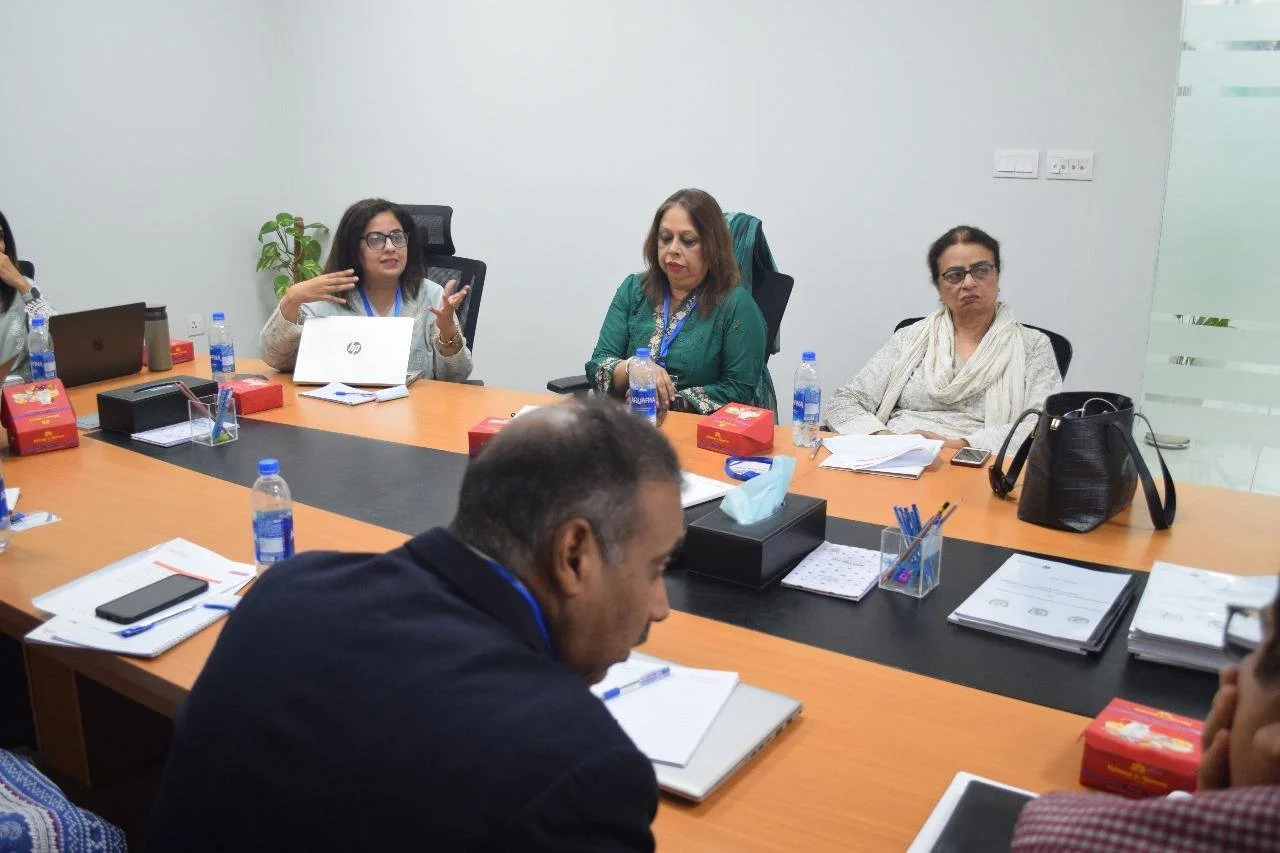
Pakistan Alliance for Post Abortion Care (PAPAC)
The Pakistan Alliance for Post-Abortion Care (PAPAC) is a national multi-stakeholder coalition comprising government institutions, NGOs, UN agencies, and professional associations, working to reduce maternal mortality and morbidity resulting from unsafe abortion in Pakistan. NCMNH and AMAN are the founding and permanent members of PAPAC. The alliance focuses on expanding access to quality post-abortion care and family planning services, promoting strategic collaboration to standardize and scale up PAC interventions, and advocating for the integration of PAC into national and provincial health policies, guidelines, and protocols.
Post-Abortion Care Reccomendations
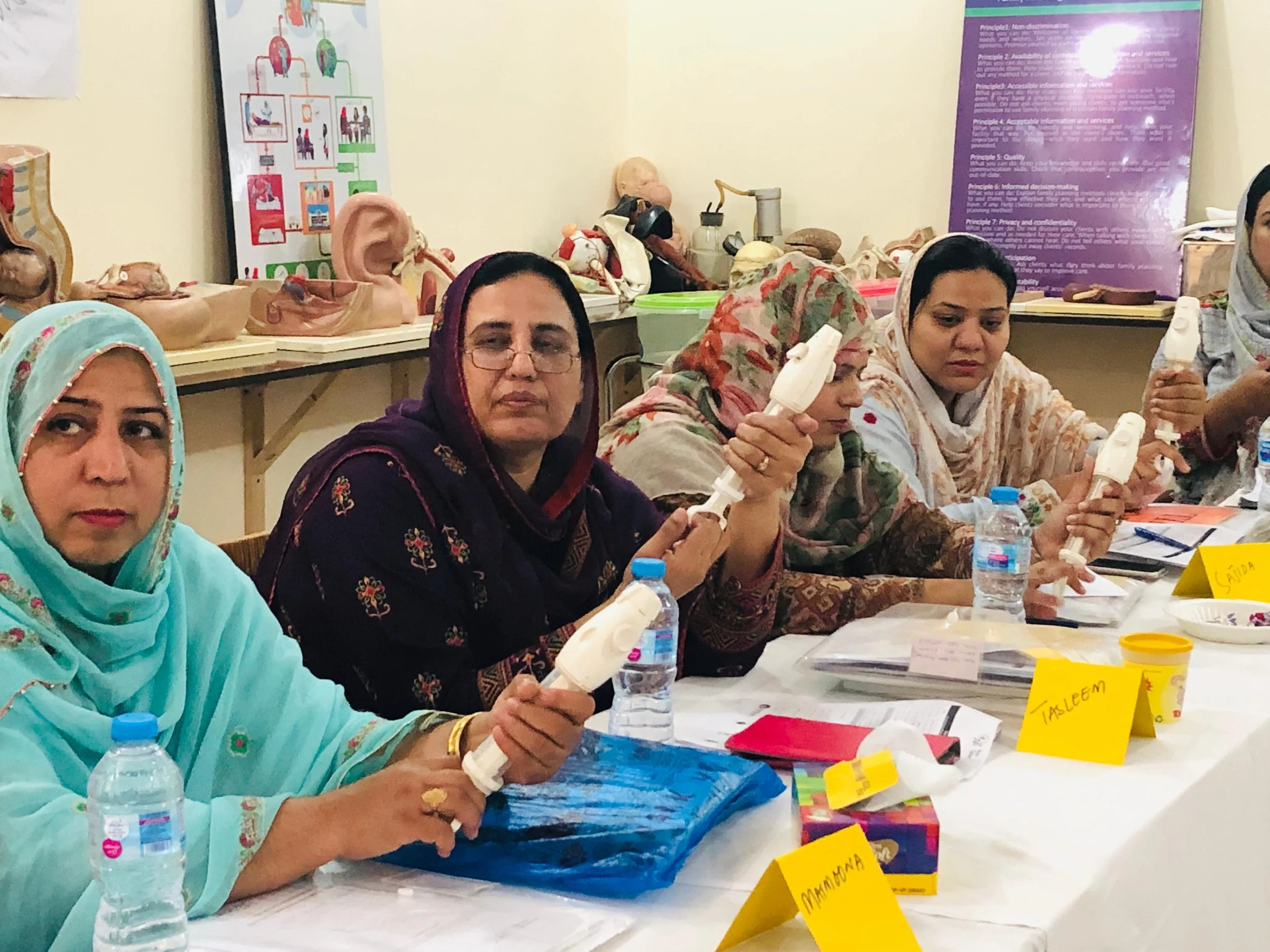
Unsafe abortion and gaps in post-abortion care (PAC) remain a significant yet preventable contributor to maternal morbidity and mortality in Pakistan. Responding to a landmark 2023 national study by the Population Council and the Guttmacher Institute, AMAN is leading a critical effort to translate evidence into action, strengthening access to quality, rights-based abortion and post-abortion care across the country.
Building on national data and global best practices, AMAN developed a set of practical, context-responsive policy recommendations to improve the quality, integration, and continuity of PAC and post-abortion family planning services. This work goes beyond clinical guidance, addressing the legal, systemic, and socio-cultural barriers that continue to limit women’s access to safe care. Particular attention was given to clarifying legal interpretations of “necessary treatment,” reducing provider bias, and ensuring that policies align with both human rights standards and Pakistan’s religious and cultural context. The recommendations were shaped through an inclusive, consensus-driven process involving leading professional bodies and civil society organizations, including SOGP, MAP, CPSP, PAPAC, and partners from across the country. A hybrid national consultation and online validation exercise ensured broad ownership and practical relevance, strengthening the pathway from policy to implementation. Key priorities identified include expanding access to WHO-recommended, safe abortion and uterine evacuation methods; integrating PAC with post-abortion family planning; strengthening provider training and clinical autonomy; addressing stigma through Values Clarification and Attitude Transformation (VCAT); improving supply-chain readiness; and leveraging telemedicine and self-care models to reach underserved populations. This work is already generating momentum. Findings will be published in the Journal of Pakistan Medical Association (March 2026). Together, these efforts lay the foundation for scalable, sustainable reforms that can save lives, protect reproductive rights, and ensure that no woman is denied essential care.
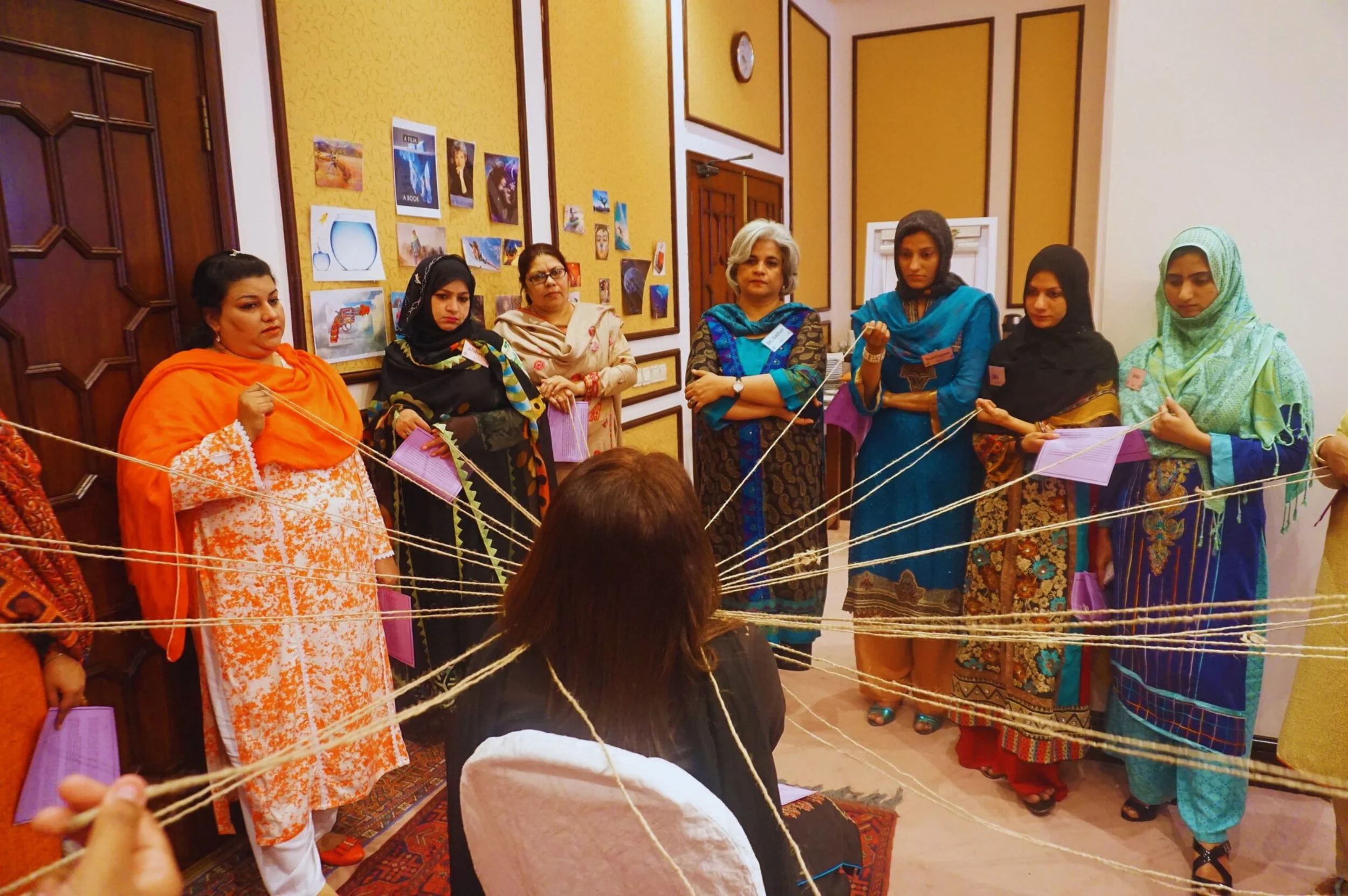
Values Clarification and Attitude Transformation (VCAT)
AMAN has pioneered Values Clarification and Attitude Transformation (VCAT) workshops in Pakistan with the support from Ipas since 2009 strengthening the capacity of healthcare providers. VCAT interventions aimed at improving provider behavior and quality of care. Across Pakistan, AMAN has conducted structured VCAT trainings for doctors, midwives, nurses, and other frontline providers, resulting in improved awareness of professional ethics, reduced stigma and bias in service delivery, and enhanced provision of respectful, rights-based, and client-centered care. These interventions have contributed to measurable improvements in provider attitudes, counseling practices, and client satisfaction, supporting national goals for equitable and quality healthcare services.